
In recent years, researchers and health experts have started paying closer attention to an interesting connection within the human body: the relationship between gut health and mental well-being. While many people think of the gut simply as the digestive system, it actually plays a much larger role in overall health, including how we feel emotionally.
The gut and the brain communicate with each other constantly through what scientists call the gut-brain connection. This connection means that the health of your digestive system can influence mood, stress levels, and even mental clarity. Understanding this relationship can help people make better choices about their diet and lifestyle to support both physical and emotional health.
Understanding the Gut-Brain Connection
The digestive system contains millions of nerve cells that help control digestion and communicate with the brain. In fact, the gut is sometimes referred to as the body’s “second brain.” These nerves send signals back and forth between the gut and the brain throughout the day.
The gut is also home to trillions of microorganisms, commonly known as gut bacteria or gut microbiota. These bacteria play an important role in digestion, nutrient absorption, and immune function. When the balance of these bacteria is healthy, the digestive system functions smoothly and supports overall well-being.
However, when this balance is disturbed due to poor diet, stress, or lack of sleep, it can affect not only digestion but also mental health.
How Gut Health Influences Mood
One of the most fascinating aspects of gut health is its connection to mood regulation. The gut helps produce many important chemicals that influence how the brain functions. One of these chemicals is serotonin, often called the “feel-good hormone.”
A large percentage of serotonin is actually produced in the digestive system. This means that when the gut is healthy, it can support better emotional balance and mood stability. On the other hand, poor gut health may contribute to feelings of stress, anxiety, or low mood.
While mental health is influenced by many factors, maintaining a healthy digestive system can play a supportive role in emotional well-being.
The Role of Diet in Gut Health
What we eat has a significant impact on the health of our gut. Foods that are rich in fiber, natural nutrients, and probiotics help support a healthy balance of gut bacteria.
Fruits, vegetables, whole grains, yogurt, and fermented foods can all contribute to better digestive health. These foods help feed the beneficial bacteria in the gut, allowing them to thrive and support the body’s natural functions.
On the other hand, diets high in processed foods, refined sugars, and unhealthy fats may disrupt the balance of gut bacteria. Over time, this imbalance can affect digestion and may also influence mood and energy levels.
Making mindful food choices can help maintain both digestive and mental health.
Stress and Its Impact on the Gut
The connection between the gut and the brain works in both directions. Just as gut health can affect mental well-being, stress and emotional strain can also influence digestive health.
When people experience prolonged stress, it can disrupt the balance of gut bacteria and affect digestion. Some individuals may notice symptoms such as stomach discomfort, bloating, or changes in appetite during stressful periods.
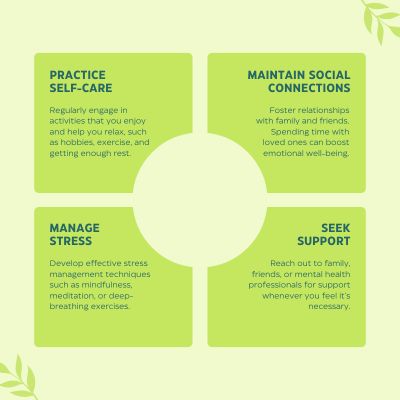
Managing stress through relaxation techniques, physical activity, and adequate sleep can help protect both mental and digestive health.
Supporting Gut Health Naturally
Maintaining a healthy gut does not require complicated routines. Simple lifestyle habits can make a meaningful difference over time.
Eating a balanced diet rich in natural foods, staying hydrated, and including probiotic-rich foods like yogurt can help support gut bacteria. Regular physical activity and proper sleep also play important roles in maintaining a healthy digestive system.
Reducing stress and maintaining a healthy daily routine can further strengthen the gut-brain connection and support overall wellness.
Conclusion
The link between gut health and mental health highlights how closely different systems of the body are connected. A healthy digestive system supports more than just digestion, it can also influence mood, energy levels, and overall well-being.
By focusing on balanced nutrition, stress management, and healthy lifestyle habits, it is possible to support both gut health and mental wellness. Small changes in daily routines can help create a stronger foundation for long-term health.
Taking care of the gut is not only about improving digestion. It is also an important step toward maintaining emotional balance and a healthier, happier life.





Comments are closed.