
With busy schedules and long to-do lists, preparing healthy meals every day can feel overwhelming. Many people find themselves relying on quick takeout options or skipping meals altogether when time is limited. Meal prepping is a simple and effective solution that can make healthy eating much easier throughout the week.
Meal prepping means preparing meals or ingredients in advance so that cooking during the week becomes faster and more convenient. With a little planning and organization, you can save time, reduce stress, and ensure that nutritious meals are always available when you need them.
Start With a Simple Weekly Plan
The first step to successful meal prepping is planning. Before grocery shopping, take a few minutes to decide what meals you want to prepare for the upcoming week. Choose recipes that are simple, nutritious, and easy to store.
Planning meals in advance helps you buy only the ingredients you need, reducing unnecessary spending and food waste. It also ensures that your meals include a balanced combination of vegetables, proteins, and whole grains.
Keeping the plan simple is important. You do not need to prepare complicated dishes every day. A few well-chosen meals can easily last several days.
Choose Ingredients That Store Well
Certain foods are better suited for meal prepping because they stay fresh longer and reheat well. Whole grains such as brown rice, quinoa, and oats are excellent base ingredients that can be used in different meals.
Vegetables like broccoli, carrots, bell peppers, and spinach also store well when properly refrigerated. Protein sources such as beans, lentils, tofu, eggs, or grilled chicken can be prepared in advance and added to different dishes throughout the week.
Having these ingredients ready allows you to mix and match them easily when assembling meals.
Prepare Ingredients in Batches
Cooking ingredients in batches can save a significant amount of time during the week. For example, you can cook a large portion of grains, roast several trays of vegetables, and prepare a few protein options all at once.
Once these ingredients are ready, they can be combined in different ways to create a variety of meals. A bowl of quinoa, roasted vegetables, and chickpeas can become a nourishing lunch, while the same ingredients can be used in salads or wraps the next day.
Batch cooking helps simplify daily meal preparation and keeps meals flexible.
Store Meals Properly
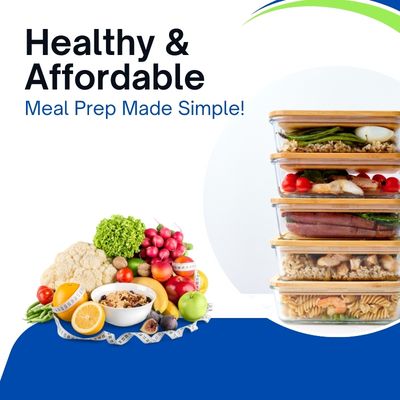
Proper storage is an important part of meal prepping. Using airtight containers helps keep food fresh and prevents spills in the refrigerator.
Glass containers are often a good option because they are durable and easy to reheat. Labeling containers with the date of preparation can also help keep track of freshness.
Keeping meals organized in the refrigerator makes it easier to grab a ready-to-eat option when time is limited.
Keep Meals Balanced and Nutritious
Even when preparing meals in advance, it is important to maintain balanced nutrition. A well-prepared meal usually includes vegetables, a source of protein, healthy fats, and whole grains.
This combination provides steady energy and helps keep you feeling satisfied throughout the day. Adding herbs, spices, and light sauces can also enhance flavor and keep meals interesting.
Healthy meal prepping is not about strict dieting. It is about creating meals that are nourishing, enjoyable, and convenient.
Make Meal Prep a Weekly Habit
Meal prepping becomes easier with practice. Setting aside a specific day each week, such as Sunday, can help create a routine. Spending a couple of hours preparing ingredients or meals can save valuable time during busy weekdays.
The goal is not perfection but consistency. Even preparing a few meals ahead of time can reduce stress and encourage healthier eating habits.
Conclusion
Meal prepping is a practical way to stay organized and maintain healthy eating habits during busy weeks. With simple planning, batch cooking, and proper storage, it becomes easier to enjoy balanced meals without spending hours in the kitchen every day.
By making meal preparation part of your weekly routine, you can save time, reduce food waste, and ensure that nourishing meals are always within reach. Over time, meal prepping can become a powerful habit that supports both health and convenience in everyday life.