
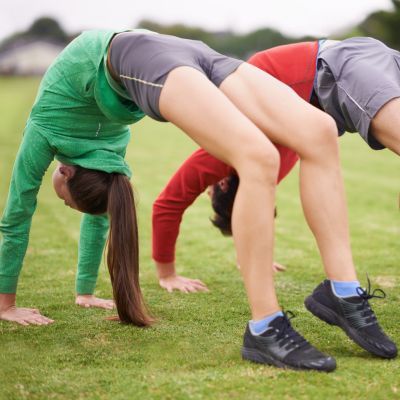
Athletes constantly push their bodies to perform at higher levels, whether through training sessions, competitive events, or regular workouts. While strength training, endurance exercises, and skill development often receive significant attention, stretching is equally important for athletic performance and injury prevention.
Proper stretching helps improve flexibility, increase range of motion, enhance muscle function, and support recovery. It also prepares the body for physical activity and reduces muscle tightness after exercise. Understanding the right stretching techniques can help athletes move more efficiently and maintain long term physical health.
Why Stretching Matters for Athletes
Stretching plays an important role in maintaining healthy muscles and joints. Tight muscles can limit movement, affect performance, and increase the risk of injuries during sports and exercise.
Regular stretching can help athletes:
- Improve flexibility
- Increase mobility
- Enhance athletic performance
- Reduce muscle stiffness
- Support recovery after workouts
- Lower the risk of strains and injuries
When combined with proper training and recovery practices, stretching helps the body function more effectively during physical activity.
Understand the Difference Between Dynamic and Static Stretching
Not all stretching techniques serve the same purpose. Athletes should understand when and how to use different types of stretching.
Dynamic Stretching
Dynamic stretching involves controlled movements that take joints and muscles through their full range of motion.
These stretches are most effective before workouts or competitions because they help increase blood flow, activate muscles, and prepare the body for movement.
Examples include:
- Leg swings
- Arm circles
- Walking lunges
- High knees
- Butt kicks
Dynamic stretching helps improve mobility and readiness for athletic performance.
Static Stretching
Static stretching involves holding a stretch position for a specific period, usually between fifteen and thirty seconds.
This type of stretching is most beneficial after exercise when muscles are warm. Static stretches help improve flexibility and reduce post workout tightness.
Examples include:
- Hamstring stretches
- Quadriceps stretches
- Calf stretches
- Shoulder stretches
Using static stretching after activity can support recovery and long term mobility.
Hamstring Stretch
The hamstrings play a major role in running, jumping, and many athletic movements. Tight hamstrings can affect performance and increase injury risk.
To perform a hamstring stretch:
- Sit on the floor with one leg extended.
- Keep your back straight.
- Reach toward your toes without forcing the movement.
- Hold the stretch comfortably.
This stretch helps improve flexibility in the back of the thigh and supports better movement patterns.
Quadriceps Stretch
The quadriceps are heavily involved in activities such as sprinting, cycling, and jumping.
To perform a quadriceps stretch:
- Stand upright and hold a stable surface if needed.
- Bend one knee and bring your foot toward your glutes.
- Hold your ankle and gently pull it closer.
- Keep your knees together and maintain an upright posture.
This stretch helps release tension in the front of the thigh and improve lower body mobility.
Calf Stretch
Strong and flexible calf muscles support running, jumping, and quick directional changes.
To perform a calf stretch:
- Stand facing a wall.
- Place one foot behind the other.
- Keep the back leg straight and press the heel into the ground.
- Lean forward gently until you feel a stretch in the calf.
Flexible calves can improve movement efficiency and reduce strain on the lower legs.
Hip Flexor Stretch
Athletes who spend a lot of time running, cycling, or sitting often develop tight hip flexors.
To perform a hip flexor stretch:
- Start in a lunge position.
- Place one knee on the ground.
- Shift your hips forward slowly.
- Keep your upper body upright.
This stretch helps improve hip mobility and supports better athletic performance.
Shoulder Stretch
Shoulder flexibility is important for athletes involved in swimming, tennis, basketball, volleyball, and many other sports.
To perform a shoulder stretch:
- Bring one arm across your chest.
- Use the opposite hand to gently pull the arm closer.
- Keep your shoulders relaxed.
- Hold the position comfortably.
Maintaining shoulder mobility can improve performance and reduce discomfort during upper body movements.
Dynamic Leg Swings
Leg swings are an excellent dynamic stretch before running or sports activities. To perform leg swings:
- Stand beside a wall for balance.
- Swing one leg forward and backward in a controlled motion.
- Gradually increase the range of movement.
- Repeat on both sides.
This exercise helps activate muscles and prepare the hips for movement.
Walking Lunges
Walking lunges are a popular dynamic stretching exercise that targets multiple muscle groups.
To perform walking lunges:
- Step forward with one leg.
- Lower your body until both knees are bent.
- Push through the front foot and bring the back leg forward.
- Continue moving forward with alternating legs.
Walking lunges improve flexibility, balance, and muscle activation before exercise.
Stretch Consistently for Best Results
Many athletes stretch only when they feel tight or sore. However, flexibility improves most effectively through regular practice. Including stretching in your daily routine can lead to:
- Better mobility
- Improved posture
- Enhanced athletic performance
- Reduced injury risk
Consistency is often more important than the length of each stretching session. Even ten to fifteen minutes of stretching each day can produce noticeable improvements over time.
Common Stretching Mistakes to Avoid
While stretching is beneficial, improper techniques can reduce effectiveness or increase injury risk.
Avoid these common mistakes:
- Bouncing during static stretches
- Stretching cold muscles aggressively
- Holding your breath
- Forcing a stretch beyond comfort
- Skipping warm ups before activity
Stretching should feel controlled and comfortable rather than painful.
Final Thoughts
Stretching is an essential component of every athlete’s training routine. It helps improve flexibility, enhance mobility, reduce injury risk, and support overall athletic performance. Understanding when to use dynamic and static stretching allows athletes to maximize the benefits of both techniques.
From hamstring and calf stretches to hip flexor mobility exercises and dynamic warm up movements, incorporating these stretching techniques into a regular routine can help athletes move more efficiently and recover more effectively. By making stretching a consistent habit, athletes can support long term health, improve performance, and stay ready for every challenge their sport presents.