
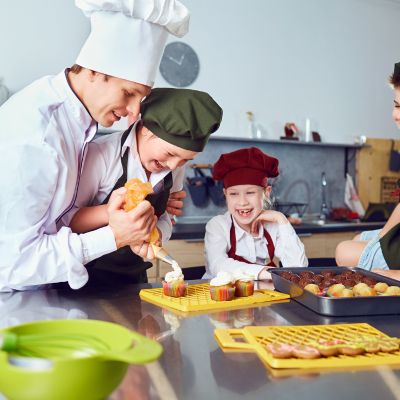
Involving kids in the kitchen can be a fun and rewarding experience for both parents and children. It not only helps them learn basic cooking skills but also builds confidence and encourages healthy eating habits. With the right approach and safety measures, the kitchen can become a great place for bonding and learning.
Why Kids Should Be Involved in Cooking
Cooking together allows children to understand where their food comes from and how it is prepared. It also helps them develop important life skills from an early age. Simple tasks can make them feel responsible and included.
When kids participate in cooking, they are more likely to try new foods and develop better eating habits. It turns mealtime into an enjoyable and interactive experience.
Start with Age-Appropriate Tasks
Giving kids tasks that match their age is very important. Younger children can help with washing vegetables, mixing ingredients, or arranging items. These simple activities keep them engaged without putting them at risk.
Older kids can take on slightly more complex tasks like measuring ingredients or stirring on the stove under supervision. Gradually increasing responsibility helps build confidence and skills.
Focus on Kitchen Safety
Safety should always be the top priority when kids are in the kitchen. Sharp tools, hot surfaces, and electrical appliances can be dangerous if not handled properly. Teaching children basic safety rules helps prevent accidents.
Always supervise children closely and explain the importance of staying careful. Simple instructions like keeping hands dry, avoiding hot pans, and handling tools properly can make a big difference.
Make Learning Fun and Interactive
Turning cooking into a fun activity keeps kids interested. You can involve them in choosing recipes or ingredients. Asking their opinions makes them feel valued and excited to participate.
Using colorful ingredients or creating simple shapes with food can make the experience more enjoyable. A playful environment helps children learn without feeling pressured.
Teach Basic Hygiene Habits
Good hygiene is an important part of cooking. Teaching kids to wash their hands before and after handling food is essential. It helps them understand the importance of cleanliness in the kitchen.
You can also guide them on keeping the workspace clean. Simple habits like wiping surfaces and organizing tools make cooking safer and more efficient.
Encourage Healthy Food Choices
Involving kids in cooking is a great way to introduce healthy eating. When children help prepare meals, they become more curious about different ingredients. This can encourage them to try nutritious foods.
Explaining the benefits of fruits, vegetables, and balanced meals helps them make better food choices. It creates awareness and builds long-term healthy habits.
Be Patient and Supportive
Cooking with kids may take more time and patience. Mistakes are part of the learning process, and it is important to stay supportive. Encouraging their efforts builds confidence and keeps them motivated.
Allowing them to explore and learn at their own pace creates a positive experience. Over time, they will become more comfortable and independent in the kitchen.
Conclusion
Involving kids in the kitchen can be both educational and enjoyable when done safely. It helps build essential skills, encourages healthy habits, and strengthens family bonding. With proper guidance, patience, and safety measures, cooking can become a meaningful activity that children will enjoy and remember.