
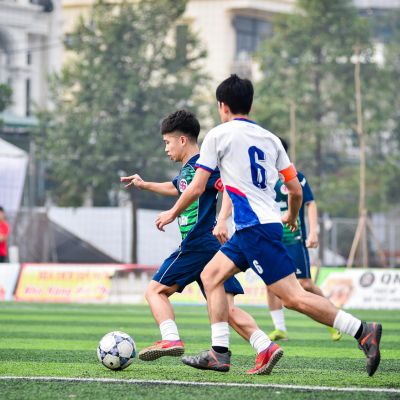
Sports have always played an important role in the lives of young people. Beyond physical fitness and competition, sports provide valuable lessons that help shape character, build confidence, and prepare youth for future challenges. Whether played at school, in local communities, or through organized clubs, sports offer opportunities for growth that extend far beyond the field, court, or track.
In today’s digital age, where many young people spend increasing amounts of time on screens, sports provide a healthy outlet for physical activity, social interaction, and personal development. The positive impact of sports on youth development can be seen in physical health, emotional well being, leadership skills, and overall life success.
Sports Promote Physical Health and Fitness
One of the most obvious benefits of sports is improved physical health. Regular participation in sports encourages young people to stay active and maintain healthy lifestyles.
Sports help strengthen muscles, improve cardiovascular health, increase flexibility, and enhance coordination. They also contribute to maintaining a healthy body weight and reducing the risk of lifestyle related health issues later in life.
Young athletes often develop habits that encourage lifelong fitness, making physical activity a natural part of their daily routine.
Building Confidence and Self Esteem
Sports provide young people with opportunities to set goals, overcome challenges, and achieve success through effort and dedication.
Every achievement, whether learning a new skill, improving performance, or contributing to a team victory, helps build self confidence. Young athletes begin to believe in their abilities and develop a stronger sense of self worth.
Confidence gained through sports often extends into other areas of life, including academics, social interactions, and future career opportunities.
Teaching Discipline and Responsibility
Success in sports requires commitment, consistency, and hard work. Athletes must attend practices, follow instructions, manage their time, and stay focused on their goals. These experiences teach discipline and personal responsibility from an early age. Young people learn that improvement comes through effort and persistence rather than instant results.
The ability to stay committed to long term goals becomes a valuable skill that benefits them throughout their lives.
Encouraging Teamwork and Cooperation
Many sports involve working closely with teammates toward a shared objective. This environment helps young people understand the importance of collaboration and mutual support.
Through team sports, participants learn how to communicate effectively, respect different perspectives, and contribute to group success. They discover that individual talent is important, but collective effort often determines the outcome.
These teamwork skills become valuable assets in educational settings, workplaces, and personal relationships.
Developing Leadership Skills
Sports often provide opportunities for young people to take on leadership roles. Team captains and experienced players learn how to motivate others, make decisions, and lead by example.
Leadership development does not only happen through official positions. Every athlete learns to support teammates, demonstrate accountability, and contribute positively to the team environment.
These experiences help build confidence in decision making and prepare young people for future leadership responsibilities.
Improving Mental Health and Emotional Well Being
Physical activity has a direct impact on mental health. Sports help reduce stress, improve mood, and increase feelings of happiness through the release of natural mood enhancing chemicals.
Participation in sports can also help young people manage anxiety, frustration, and emotional challenges more effectively. Being part of a team provides social support and a sense of belonging that contributes to emotional well being.
Regular involvement in sports often helps youth develop healthier coping mechanisms for dealing with life’s pressures.
Learning How to Handle Success and Failure
Sports teach valuable lessons about both winning and losing. Young athletes experience success, disappointment, setbacks, and achievements throughout their sporting journey.
Learning how to celebrate victories with humility and respond to losses with resilience helps develop emotional maturity. These experiences teach young people that setbacks are part of growth and that failure can provide valuable learning opportunities.
The ability to handle challenges constructively becomes an important life skill.
Enhancing Time Management Skills
Balancing sports with school, family responsibilities, and social activities requires effective time management.
Young athletes often learn how to organize their schedules, prioritize responsibilities, and use their time efficiently. These habits can improve academic performance and prepare them for future professional demands.
Time management skills developed through sports often remain beneficial throughout adulthood.
Creating Positive Social Connections
Sports bring together individuals from different backgrounds who share common interests and goals.
These interactions help young people build friendships, improve communication skills, and develop social confidence. Positive relationships formed through sports often provide encouragement, support, and a sense of community.
Strong social connections contribute significantly to overall happiness and emotional development.
Encouraging Goal Setting and Perseverance
Athletes regularly work toward specific goals, whether improving performance, mastering a skill, or winning competitions.
This process teaches the importance of planning, effort, and persistence. Young people learn that meaningful achievements often require patience and dedication.
The ability to set goals and remain focused despite obstacles can positively influence academic, professional, and personal success.
Preparing Youth for Future Success
Many of the qualities developed through sports are highly valued in adulthood. Employers, educators, and community leaders often recognize the benefits of teamwork, discipline, leadership, and resilience.
Sports help young people develop confidence, responsibility, and strong work ethics that can support success in various areas of life.
The lessons learned through sports often continue to influence individuals long after their competitive careers have ended.
Conclusion
The impact of sports on youth development extends far beyond physical fitness and competition. Sports help young people build confidence, develop leadership abilities, strengthen social connections, and learn important life skills such as discipline, teamwork, and perseverance.
By providing opportunities for growth, achievement, and personal development, sports play a valuable role in preparing youth for future success. Whether on the field, in the classroom, or later in life, the lessons learned through sports can have a lasting positive impact that shapes character and builds a strong foundation for a healthy and fulfilling future.