
Healthy hair is often linked to confidence, personal style, and overall appearance. However, maintaining strong and healthy hair requires more than using expensive products. A proper hair care routine should focus on understanding your hair type, choosing suitable products, and following consistent habits that support hair health.
Factors such as lifestyle, diet, weather conditions, styling habits, and product choices can affect the condition of your hair. A balanced routine can help improve hair strength, maintain moisture, and keep your hair looking naturally healthy.
Understand Your Hair Type First
Before creating a hair care routine, it is important to identify your hair type and its specific needs. Different hair types require different approaches, and using unsuitable products may not provide the results you expect.
Common hair types include:
- Dry hair that lacks moisture and feels rough
- Oily hair caused by excess scalp oil production
- Curly hair that needs extra hydration and care
- Fine hair that requires lightweight products
- Thick hair that benefits from deep nourishment
Understanding your hair type helps you select products and treatments that support your hair rather than create additional concerns.
Start With a Gentle Hair Washing Routine
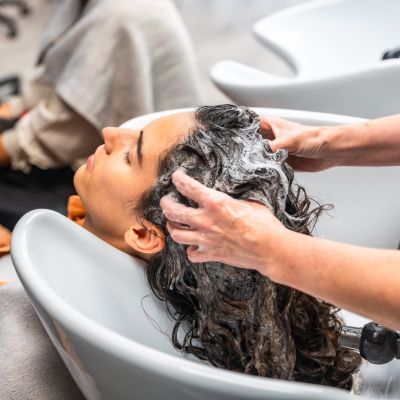
Washing your hair correctly plays an important role in maintaining scalp and hair health. Using a mild shampoo helps remove dirt, oil, and product buildup without removing essential moisture.
Avoid washing your hair too frequently, as excessive cleansing may cause dryness and affect the natural balance of your scalp. The ideal washing frequency depends on your hair type, lifestyle, and scalp condition.
When shampooing, focus mainly on the scalp area where oil and buildup usually collect. Allow the product to clean the lengths naturally while rinsing.
Use Conditioner for Better Moisture Balance
Conditioning is an essential step for maintaining soft and manageable hair. Shampoo cleans the scalp, while conditioner helps restore moisture and improve smoothness.
Apply conditioner mainly to the middle and ends of your hair, as these areas are more likely to experience dryness and damage. Leave it for a few minutes before rinsing for better results.
Ingredients such as natural oils, proteins, and moisturising agents can help improve hair texture and reduce dryness.
Include Hair Treatments When Needed
Regular hair treatments can provide additional care, especially for damaged or dry hair. Hair masks, deep conditioning treatments, and nourishing oils can support moisture retention and improve overall appearance.
A weekly hair mask can help restore softness and improve the look of dull hair. However, treatments should be selected based on your hair concerns instead of following every trend.
For example, dry hair may benefit from hydrating treatments, while damaged hair may require strengthening ingredients.
Protect Hair From Heat and Styling Damage
Frequent use of heat styling tools can affect hair strength over time. Straighteners, curling irons, and blow dryers can remove moisture and make hair more prone to breakage.
To protect your hair:
- Use heat protection products before styling
- Avoid excessive heat temperatures
- Allow your hair to dry naturally when possible
- Limit frequent chemical treatments
Small changes in styling habits can help maintain stronger and healthier hair.
Maintain a Healthy Diet for Better Hair Growth
Hair health is also influenced by nutrition. A balanced diet provides essential nutrients that support strong hair growth.
Include foods rich in:
- Protein for hair structure
- Iron to support healthy growth
- Vitamins and minerals for overall nourishment
- Healthy fats for moisture support
Drinking enough water and maintaining a balanced lifestyle also contribute to healthier-looking hair.
Avoid Common Hair Care Mistakes
Some daily habits can affect hair quality without people realising it. Avoid tying hair too tightly, brushing aggressively when wet, and using too many products at the same time.
Wet hair is more fragile, so gentle handling is important. Using a wide-tooth comb and avoiding harsh pulling can help reduce unnecessary breakage.
Choosing quality products and maintaining consistency often creates better results than frequently changing routines.
Choose Products Based on Hair Concerns
The best hair care products are not always the most popular ones. They should match your specific needs.
For example:
- Moisturising products for dry hair
- Lightweight formulas for oily hair
- Strengthening treatments for damaged hair
- Hydrating products for curly hair
A personalised approach helps create a routine that supports your hair goals effectively.
Conclusion
A strong and healthy hair routine comes from consistent care, suitable products, and healthy lifestyle choices. Understanding your hair type, maintaining proper cleansing habits, protecting your hair from damage, and providing enough nourishment can improve its overall condition.
There is no single routine that works for everyone. The best approach is to create a hair care plan that matches your individual needs and supports long-term hair health. With patience and consistency, healthy and beautiful hair can become part of your everyday lifestyle.