
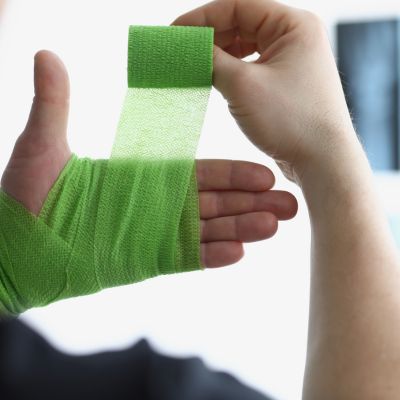
Sports and physical activities offer numerous benefits, including improved fitness, stronger muscles, better mental health, and enhanced overall well being. Whether someone participates in sports professionally or recreationally, regular physical activity helps maintain a healthy lifestyle. However, sports also carry a risk of injuries that can affect performance, daily activities, and long term health.
While some injuries are unavoidable, many can be prevented through proper preparation, training, and recovery practices. Understanding how sports injuries occur and knowing how to manage them effectively can help athletes stay active and recover safely when injuries happen.
Understanding Sports Injuries
Sports injuries occur when muscles, bones, ligaments, tendons, or joints experience excessive stress or trauma during physical activity. These injuries can happen suddenly during a game or develop gradually over time due to repetitive movements.
Athletes of all ages and skill levels can experience injuries. Even individuals who exercise regularly for fitness may encounter physical setbacks if proper precautions are not taken.
Recognizing the causes and warning signs of injuries is the first step toward prevention and effective management.
Common Types of Sports Injuries
Sports injuries vary depending on the activity, intensity, and physical demands involved. Some of the most common sports injuries include:
Sprains
A sprain occurs when ligaments that connect bones at a joint become stretched or torn. Ankles and wrists are common areas affected by sprains.
Strains
Strains involve injuries to muscles or tendons. They often occur when muscles are overstretched or overloaded during physical activity.
Knee Injuries
The knee experiences significant stress during running, jumping, and sudden directional changes. Ligament injuries and cartilage damage are common among athletes.
Shin Splints
Shin splints cause pain along the lower leg and often develop due to repetitive impact activities such as running.
Tendon Injuries
Overuse can lead to inflammation or irritation of tendons, causing pain and reduced movement.
Fractures
Bone fractures may occur due to direct impact, falls, or excessive force during sports activities.
Understanding these injuries helps athletes identify symptoms early and seek appropriate treatment.
Why Sports Injuries Happen
Sports injuries often result from a combination of factors rather than a single cause.
Common causes include:
- Poor warm up routines
- Inadequate conditioning
- Improper technique
- Overtraining
- Muscle imbalances
- Lack of recovery time
- Incorrect equipment
- Sudden increases in training intensity
Many injuries develop gradually when the body does not receive enough time to adapt to physical demands. Addressing these factors can significantly reduce injury risk.
The Importance of Proper Warm Up
A proper warm up prepares the body for exercise by increasing blood flow to muscles and improving joint mobility. Jumping directly into intense activity without warming up can increase the risk of strains, sprains, and muscle injuries.
An effective warm up may include:
- Light jogging
- Dynamic stretching
- Mobility exercises
- Sport specific movements
Spending ten to fifteen minutes warming up can improve performance and help protect the body from injury.
Build Strength and Flexibility
Strong muscles provide support and stability for joints, reducing the likelihood of injury during sports. Strength training should focus on all major muscle groups while addressing sport specific demands. Balanced muscle development helps prevent imbalances that can contribute to injuries.
Flexibility is equally important. Regular stretching and mobility exercises help maintain a healthy range of motion and reduce muscle tightness. Combining strength and flexibility training creates a more resilient body capable of handling physical stress.
Use Proper Technique
Incorrect movement patterns place unnecessary stress on muscles and joints.
Learning proper techniques from qualified coaches, trainers, or instructors can improve efficiency and reduce injury risk. Whether running, lifting weights, swimming, or playing team sports, correct form helps the body move safely and effectively.
Athletes should regularly review and refine their technique as part of their training routine.
Avoid Overtraining
Many athletes believe that more training automatically leads to better results. In reality, excessive training without adequate recovery can increase the risk of injuries.
Overtraining may cause:
- Persistent fatigue
- Decreased performance
- Muscle soreness
- Increased injury risk
- Mental burnout
Scheduling rest days and recovery periods allows the body to repair and adapt, ultimately improving performance and reducing the chance of injury.
How to Manage Sports Injuries
Despite taking precautions, injuries can still occur. Early and appropriate management can improve recovery outcomes. The first step is to stop the activity and assess the severity of the injury. Continuing to play through pain may worsen the condition and extend recovery time.
For minor injuries, the RICE method is often recommended:
Rest
Avoid activities that place additional stress on the injured area.
Ice
Apply ice packs for short periods to help reduce pain and swelling.
Compression
Use supportive bandages when appropriate to control swelling.
Elevation
Keep the injured area elevated above heart level whenever possible.
These measures can help manage many mild injuries during the initial recovery phase.
When to Seek Medical Attention
Not all injuries can be managed at home. Professional medical evaluation is important when symptoms include:
- Severe pain
- Significant swelling
- Inability to bear weight
- Visible deformity
- Loss of movement
- Persistent symptoms
Early diagnosis and treatment can prevent complications and support a safer recovery process. Athletes should never ignore serious symptoms or attempt to self diagnose significant injuries.
Returning to Sports Safely
Returning to sports too quickly can increase the risk of reinjury. Recovery should be gradual and based on medical advice when necessary. Athletes should regain strength, flexibility, mobility, and confidence before returning to full activity.
A structured rehabilitation plan often includes progressive exercises designed to restore function and reduce future injury risk. Patience during recovery often leads to better long term outcomes.
Conclusion
Sports injuries are a common part of physical activity, but many can be prevented through proper preparation, conditioning, technique, and recovery practices. Warm ups, strength training, flexibility exercises, and adequate rest all play important roles in keeping athletes healthy and active.
When injuries do occur, early management and appropriate treatment can support effective recovery and reduce the risk of long term complications. By focusing on both prevention and proper care, athletes can continue enjoying the benefits of sports while protecting their physical well being for years to come.