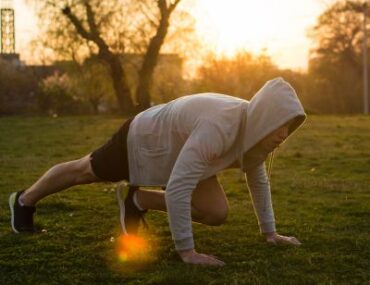
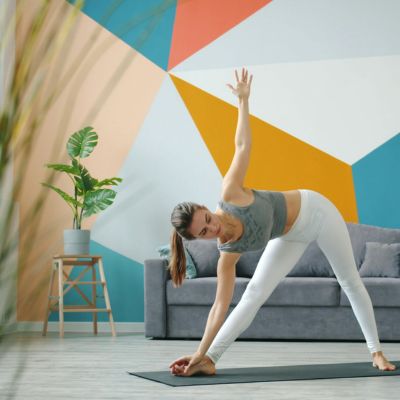
Starting yoga at home can feel both exciting and a little overwhelming, especially for beginners. The good news is that yoga does not require expensive equipment or a special setup. With a simple routine and a calm space, anyone can begin their yoga journey from home and experience its physical and mental benefits.
Understanding the Basics of Yoga
Yoga is not just about stretching or flexibility. It is a combination of movement, breathing, and mindfulness. It helps improve strength, balance, and inner calm. For beginners, the focus should be on learning basic poses and understanding how the body responds.
Taking it slow in the beginning helps build confidence. Yoga is a personal journey, so there is no need to compare progress with others.
Setting Up Your Space
Creating a comfortable space at home makes yoga more enjoyable. You do not need a large area, just a clean and quiet corner where you can move freely. A yoga mat is helpful, but even a simple floor space with a cloth can work.
A calm environment helps you focus better. Good lighting and fresh air can make your practice more refreshing and relaxing.
Starting with Simple Poses
Beginners should start with basic poses that are easy to learn and safe to practice. Poses like mountain pose, child’s pose, and downward dog are great for building a foundation. These poses help improve flexibility and balance gradually.
Practicing a few poses daily is better than trying too many at once. Consistency helps your body adapt and improves your confidence over time.
Focus on Breathing
Breathing is an important part of yoga. Deep and controlled breathing helps relax the mind and improves concentration. It also supports better movement during poses.
Learning to coordinate breath with movement makes the practice more effective. It brings a sense of calm and helps reduce stress.
Creating a Simple Routine
Having a routine helps in staying consistent. You can start with 15 to 20 minutes a day and gradually increase the time. A simple routine can include warm-up stretches, a few basic poses, and relaxation at the end.
Practicing at the same time each day can help build a habit. Morning sessions can energize you, while evening sessions can help you relax.
Listening to Your Body
It is important to listen to your body while practicing yoga. Avoid pushing yourself too hard, especially in the beginning. Each body is different, and progress takes time.
If a pose feels uncomfortable, it is okay to modify or skip it. Being gentle with yourself helps prevent injuries and keeps the practice enjoyable.
Staying Motivated
Staying motivated at home can sometimes be challenging. Setting small goals and tracking your progress can help maintain consistency. You can also follow simple online sessions for guidance and variety.
Making yoga a part of your daily routine helps you stay committed. Over time, it becomes a natural and relaxing habit.
Benefits of Practicing Yoga at Home
Yoga at home offers flexibility and convenience. It allows you to practice at your own pace without feeling rushed. Regular practice can improve flexibility, reduce stress, and increase overall well-being.
It also helps create a moment of calm in a busy day. This balance is essential for maintaining both physical and mental health.
Conclusion
Starting yoga at home is a simple and rewarding step toward a healthier lifestyle. With basic knowledge, consistency, and a positive mindset, anyone can begin their journey. It is not about perfection, but about progress and self-care.