Hair damage is a common concern caused by factors such as heat styling, chemical treatments, environmental exposure, and improper hair care habits. Dryness, split ends, rough texture, and excessive breakage are signs that your hair needs extra attention and care.
While damaged hair cannot be completely restored to its original condition, natural hair care practices can help improve its appearance, strengthen existing strands, and prevent further damage. A consistent routine with nourishing ingredients and healthy habits can make hair look smoother, softer, and healthier over time.
Identify What Is Causing Hair Damage
The first step towards repairing damaged hair is understanding the reason behind it. Different habits can affect hair health in different ways.
Common causes of hair damage include:
- Frequent heat styling with straighteners or curling tools
- Excessive chemical treatments and colouring
- Overwashing with harsh shampoos
- Lack of moisture and nourishment
- Exposure to pollution and harsh weather conditions
Identifying the main cause helps you make better choices and avoid habits that continue damaging your hair.
Provide Deep Nourishment With Natural Oils
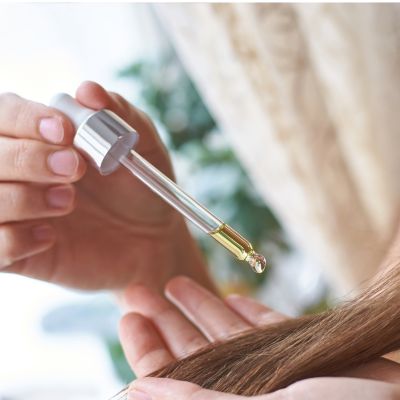
Natural oils have been used for generations to support hair care. They help provide moisture, improve softness, and protect hair from excessive dryness.
Popular options include:
- Coconut oil for reducing moisture loss
- Argan oil for improving smoothness
- Jojoba oil for scalp nourishment
- Almond oil for adding softness
Applying a small amount of oil before washing can help condition the hair and improve its overall texture. However, the amount used should depend on your hair type to avoid making it feel heavy or greasy.
Use Hydrating Hair Masks Regularly
Damaged hair often lacks moisture, making it appear dry and fragile. Natural hair masks can provide additional hydration and nourishment.
Ingredients such as aloe vera, yoghurt, honey, and avocado are commonly used in homemade hair treatments because they contain moisturising properties.
A weekly hair mask can help improve hair softness and manageability. Regular care is important because one treatment alone cannot repair long-term damage.
Reduce Heat Styling and Protect Your Hair
Frequent use of heat styling tools is one of the major reasons behind hair damage. High temperatures can weaken the hair structure and reduce natural moisture.
To protect your hair:
- Limit the use of straighteners and curling tools
- Use lower heat settings when styling
- Apply heat protection products when needed
- Allow hair to dry naturally whenever possible
Reducing heat exposure gives your hair more opportunity to maintain its natural strength.
Follow a Gentle Washing Routine
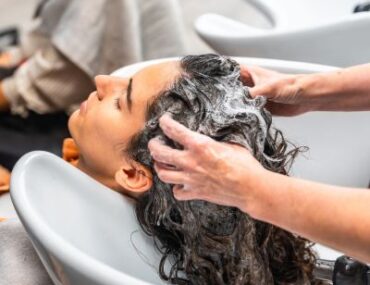
The way you wash your hair can affect its condition. Using harsh products or washing too often may remove natural oils that keep hair healthy.
Choose a gentle shampoo suitable for your hair type and avoid aggressive scrubbing. Focus on cleaning the scalp while allowing the shampoo to gently cleanse the lengths.
Always follow with a conditioner to improve moisture balance and reduce dryness.
Improve Hair Health Through Nutrition
Healthy hair starts from within. A balanced diet provides essential nutrients that support hair strength and growth.
Include foods containing:
- Protein for hair structure
- Iron for healthy hair development
- Omega 3 fatty acids for nourishment
- Vitamins and minerals for overall wellness
Staying hydrated also supports healthy-looking hair by helping maintain moisture levels.
Avoid Everyday Habits That Cause Breakage
Small daily habits can have a major impact on hair health. Avoid brushing hair aggressively, especially when it is wet, as wet strands are more prone to breakage.
Using a soft towel or allowing hair to dry naturally can help reduce unnecessary stress. Avoid tying hair too tightly, as constant pulling may weaken the roots over time.
Simple changes can protect your hair from additional damage.
Choose Hair Products Carefully
Not every trending product will suit your hair. Choosing products based on your hair condition is more effective than following popular recommendations.
Look for products that support your specific needs, such as:
- Moisturising formulas for dry hair
- Strengthening ingredients for weak strands
- Gentle products for sensitive scalps
A simple routine with suitable products often works better than using multiple products without a clear purpose.
Conclusion
Repairing damaged hair naturally requires patience, consistency, and healthy care habits. While existing damage may take time to improve, providing proper moisture, reducing harmful practices, and supporting hair health through nutrition can make a noticeable difference.
A balanced hair care routine helps protect your strands, improve texture, and maintain stronger-looking hair. By making small but consistent changes, you can support healthier hair and prevent future damage.