
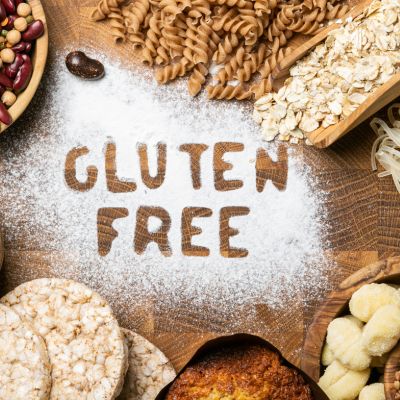
Baking without gluten may seem challenging at first, especially for beginners who are used to traditional recipes. However, gluten-free baking has become much easier with the availability of alternative ingredients and simple techniques. With a little understanding and practice, anyone can create delicious baked goods that are both healthy and satisfying.
Understanding Gluten-Free Baking
Gluten is a protein found in wheat, barley, and rye that gives structure and elasticity to baked goods. When it is removed, the texture of cakes, breads, and cookies can change significantly. This is why gluten-free baking requires a different approach compared to regular baking.
Instead of relying on gluten, other ingredients are used to provide structure and softness. Knowing how these substitutes work helps in achieving the right consistency and taste.
Essential Gluten-Free Ingredients
Gluten-free baking starts with choosing the right flour. Common options include rice flour, almond flour, coconut flour, and oat flour. Each type has its own texture and flavor, so mixing different flours often gives the best results.
Binders like xanthan gum or guar gum are important because they help hold the ingredients together. Without them, baked items may crumble easily. Eggs, yogurt, or mashed bananas can also act as natural binders in certain recipes.
Simple Tips for Better Results
Measuring ingredients accurately is very important in gluten-free baking. Unlike regular flour, gluten-free flours behave differently, so even small changes can affect the final outcome. Using measuring cups properly or weighing ingredients can improve consistency.
It is also helpful to let the batter rest for a few minutes before baking. This allows the flour to absorb moisture, resulting in a better texture. Preheating the oven and following baking times carefully also play a key role in success.
Choosing the Right Recipes
Beginners should start with simple recipes like cookies, muffins, or pancakes. These are easier to manage and require fewer adjustments compared to breads or complex desserts. Starting small builds confidence and helps in understanding how gluten-free ingredients work.
Once you are comfortable, you can experiment with more advanced recipes. Trying different combinations of flours and flavors can make baking more creative and enjoyable.
Common Mistakes to Avoid
One common mistake is using a single type of gluten-free flour for all recipes. This can lead to dense or dry results. Combining flours usually gives a better texture and taste.
Another mistake is skipping binding agents. Without them, the baked goods may fall apart. It is also important not to overmix the batter, as this can affect the final texture negatively.
Making Baking Enjoyable
Gluten-free baking does not have to feel restrictive. In fact, it opens up opportunities to try new ingredients and flavors. Adding nuts, fruits, or natural sweeteners can enhance both taste and nutrition.
Creating a calm and enjoyable baking environment can also make a big difference. Taking time to experiment and enjoy the process helps build confidence and makes baking a relaxing activity.
Conclusion
Gluten-free baking becomes simple when you understand the basics and use the right ingredients. It is all about experimenting, learning from mistakes, and enjoying the journey. With patience and practice, you can create delicious gluten-free treats that everyone will love.