
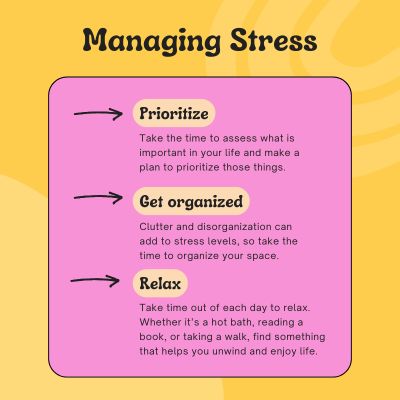
In today’s fast-paced world, stress and fatigue have become common experiences for many people. Busy schedules, work responsibilities, and personal commitments can sometimes leave individuals feeling physically tired and mentally overwhelmed. While occasional stress is a normal part of life, ongoing stress and exhaustion can affect both physical health and emotional well-being.
Taking a holistic approach to managing stress and fatigue means focusing on the overall balance of the body and mind. Instead of addressing only one symptom, holistic practices consider lifestyle, nutrition, mental health, and daily habits. Simple and consistent changes can help restore energy and create a greater sense of balance.
Understanding the Impact of Stress and Fatigue
Stress affects the body in many ways. When the body experiences stress, it releases hormones that prepare it to respond to challenges. While this response can be helpful in short situations, long-term stress may lead to exhaustion, irritability, and difficulty concentrating.
Fatigue can also develop when the body does not get enough rest or when mental pressure builds up over time. This can make everyday tasks feel more challenging and reduce overall productivity.
Recognizing the connection between stress and fatigue is an important step toward finding effective ways to manage them.
Nourish the Body With Balanced Nutrition
Food plays a major role in maintaining energy levels. A balanced diet provides the nutrients the body needs to function properly and cope with stress.
Including fresh fruits, vegetables, whole grains, and healthy fats in daily meals can help support steady energy throughout the day. Nutrient-rich foods provide essential vitamins and minerals that support the body’s natural ability to manage stress.
Staying hydrated is also important. Drinking enough water helps maintain physical energy and supports overall body functions.
Prioritize Quality Sleep
Rest is essential for both mental and physical recovery. When the body does not receive enough sleep, stress levels can increase and energy levels may drop.
Creating a consistent sleep routine can help improve the quality of rest. Going to bed and waking up at the same time each day helps regulate the body’s natural rhythm.
A comfortable sleep environment, reduced screen time before bed, and relaxing bedtime habits can all contribute to better sleep and improved energy.
Incorporate Gentle Physical Activity
Regular movement is one of the most effective ways to reduce stress and fatigue. Physical activity improves circulation, releases mood-enhancing chemicals in the brain, and helps relieve tension.
Exercise does not always need to be intense to be beneficial. Activities such as walking, stretching, yoga, or light workouts can help improve both physical and mental well-being.
Even short periods of movement during the day can refresh the mind and restore energy levels.
Practice Mindfulness and Relaxation
Holistic stress management often includes mindfulness practices that help calm the mind and improve focus. Techniques such as meditation, deep breathing, and quiet reflection can help reduce mental tension.
Spending a few minutes each day focusing on slow breathing or gentle meditation can help the body relax and release accumulated stress.
Mindfulness encourages people to become more aware of their thoughts and emotions, helping them respond to challenges with greater clarity.
Maintain Healthy Boundaries
Managing stress also involves creating balance between responsibilities and personal well-being. Many people feel fatigued when they try to manage too many tasks without giving themselves time to rest.
Learning to set realistic boundaries, taking breaks when needed, and prioritizing personal time can help prevent burnout.
Spending time with supportive friends and family or engaging in enjoyable activities can also help restore emotional balance.
Final Thoughts
Stress and fatigue are common experiences, but they do not have to control daily life. A holistic approach that focuses on nutrition, sleep, physical activity, and mindfulness can help restore balance and improve overall well-being.
Small lifestyle adjustments made consistently can have a powerful impact over time. By caring for both the body and the mind, it becomes easier to manage stress, maintain energy, and create a healthier and more balanced life.