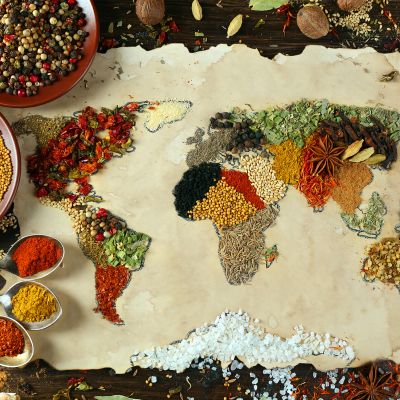
Spices have the power to transform simple meals into rich and flavorful dishes. Across the world, different cultures use spices to create unique tastes, aromas, and cooking traditions. For women who enjoy experimenting in the kitchen, learning about global spices can open the door to exciting and creative cooking experiences.
The Importance of Spices in Cooking
Spices are not just about flavor. They add depth, color, and aroma to food, making every dish more enjoyable. Many spices also have health benefits, supporting digestion and boosting immunity.
Using spices correctly can elevate even the simplest recipe. A pinch of the right spice can completely change the taste and feel of a dish, making it more satisfying and memorable.
Exploring Indian Spices
Indian cuisine is known for its rich use of spices. Ingredients like turmeric, cumin, coriander, and garam masala are commonly used to create bold and balanced flavors.
Turmeric adds color and has anti-inflammatory properties, while cumin enhances digestion. These spices are often combined to create layered flavors that make Indian dishes comforting and aromatic.
Discovering Middle Eastern Flavors
Middle Eastern cooking uses spices like sumac, za’atar, and cinnamon to create warm and earthy flavors. These spices are often used in both savory and sweet dishes.
Za’atar, a blend of herbs and spices, adds a tangy and nutty taste. Cinnamon, when used in savory dishes, brings a unique depth that surprises many beginners.
European Spice Touch
European cuisines often use herbs and mild spices like oregano, thyme, rosemary, and paprika. These spices focus more on enhancing natural flavors rather than overpowering them.
Paprika adds a mild heat and color, while herbs like rosemary bring a fresh and earthy aroma. These spices are perfect for beginners who prefer subtle flavors.
Asian Spice Influence
Asian cuisines, especially Thai and Chinese, use spices and ingredients like ginger, garlic, chili, and lemongrass. These create a balance of sweet, spicy, and tangy flavors.
Ginger and garlic form the base of many dishes, while chili adds heat. Lemongrass brings a refreshing citrus flavor that makes dishes light and aromatic.
Tips for Cooking with Global Spices
Start with small quantities when trying new spices. This helps you understand their strength and flavor without overpowering the dish. Gradually, you can adjust according to your taste.
It is also important to store spices properly. Keeping them in airtight containers and away from heat helps maintain their freshness and aroma for a longer time.
Creating Your Own Flavor Combinations
Experimenting with spices allows you to create your own unique recipes. Mixing spices from different cuisines can lead to interesting and delicious results.
Do not be afraid to try new combinations. Cooking is a creative process, and spices give you the freedom to explore and innovate in the kitchen.
Conclusion
Cooking with spices from around the globe is a wonderful way to explore different cultures through food. It adds variety, excitement, and richness to everyday meals. With a little curiosity and practice, anyone can master the art of using spices and create dishes that are both flavorful and nourishing.